


Indian Stock Market: Sensex Gains 114 Points, Nifty Ends Lower at 24,395
Indian markets ended mixed on August 13 as the Sensex gained 113.61 points to 78,079.96, while the Nifty 50 fell 40.10 points to 24,395.85 amid global tensions and crude oil price concerns.
 Prasanth Subramani


Indian stock markets ended on a mixed note on August 13 after two consecutive sessions of declines. The BSE Sensex managed to close slightly higher, while the NSE Nifty 50 ended marginally lower amid continued volatility driven by geopolitical tensions and crude oil prices.
The Sensex opened at 78,111.91 and gained 113.61 points, or 0.15%, to settle at 78,079.96 at the end of the trading session.
In contrast, the Nifty 50 declined by 40.10 points, or 0.16%, to close at 24,395.85.
Among Nifty 50 stocks, Hindalco Industries, UltraTech Cement, and Grasim Industries were among the biggest decliners. Meanwhile, the Nifty Midcap and Smallcap indices gained 0.15% and 0.27%, respectively, indicating relatively stronger performance in the broader market.
Several Sensex constituents ended higher, including IndiGo, NTPC, Bharat Electronics, Larsen & Toubro, Asian Paints, Trent, Bajaj Finance, Mahindra & Mahindra, Bharti Airtel, Eternal, Hindustan Unilever, Bajaj Finserv, Sun Pharma, ITC, Kotak Mahindra Bank, Tata Consultancy Services, HCL Technologies, Tech Mahindra, and Power Grid.
Sectoral performance remained mixed. The Nifty Metal index declined by around 1%, while Auto, FMCG, IT, and Media stocks recorded gains. Most other sectoral indices ended lower during the session.
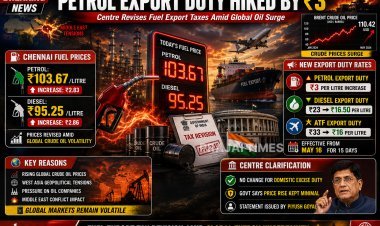
Market volatility continues to be influenced by geopolitical tensions involving Iran and the United States, along with movements in global crude oil prices. Investors are closely monitoring developments in the region and their potential impact on energy costs and the broader economy.
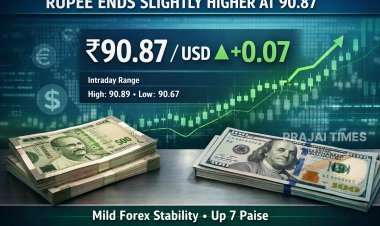
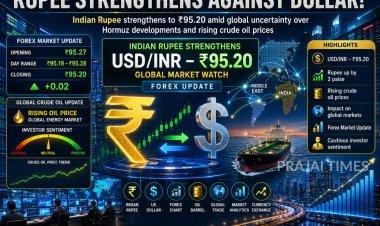
Brent crude oil was trading at around $87.46 per barrel, while the Indian Rupee closed at ₹95.44 against the US Dollar.
Investors will continue to track global geopolitical developments, crude oil prices, currency movements, foreign fund flows, and domestic economic indicators for further direction in the Indian equity market.