


Middle East Tensions Push Global Oil Prices Higher Amid Strait of Hormuz Concerns
Global oil prices have surged following escalating tensions involving Iran and U.S. interests, raising fears of disruptions in the Strait of Hormuz and potential impacts on fuel prices and global energy markets.
 Prasanth Subramani


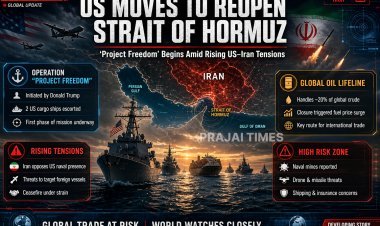
Global oil prices have climbed sharply following renewed military tensions involving Iran and U.S. interests, raising concerns about possible disruptions to oil shipments through the Strait of Hormuz. The strategic waterway is one of the world's busiest oil transit routes, carrying a significant share of global crude exports.
Any disruption to shipping through the Strait of Hormuz could tighten global oil supplies, driving crude prices higher and increasing fuel costs worldwide. The development has raised concerns among major oil-importing countries, including India, where higher crude prices could eventually influence petrol, diesel, and transportation costs.
Financial markets have reacted cautiously as investors closely monitor geopolitical developments in the Middle East. Rising oil prices have also renewed concerns over global inflation, energy security, and the potential impact on economic growth if tensions continue to escalate.
Energy analysts believe that sustained geopolitical uncertainty could keep crude oil prices volatile in the coming weeks. Governments and market participants are expected to closely watch diplomatic efforts and security developments in the region, as any further escalation could significantly affect global energy supplies and international commodity markets.